
Greswold Primary School
Year 2
The Staff Team
Badgers - Class teacher: Mrs Kempton
Teaching assistant: Mrs Hadi
Otters - Class teacher: Mrs Mansell / Miss Jones
Teaching assistant: Miss Wilson
Rabbits - Class teacher: Miss McCauslin
Teaching assistant: Mrs Bevan
Year 2 support staff: Mrs Lai & Mrs Parris
Learning in Year 2
Yearly overview
Half-termly overviews
Home Learning Tasks
Year 2 Routines
-
Each day your child should bring:
• Coat
• Water bottle
• Trainers (These are for the Daily dash and outdoor PE. They can be left on their pegs to change into when needed)
• Book bag (if it is their book bag day) - On their PE days (shown below), children should come into school dressed in the appropriate PE uniform (see our Uniform page for more details).
Monday |
Tuesday |
Wednesday |
Thursday |
Friday |
|
|
Library day: Children will bring a book from the library home and will need to return it the following Wednesday. Rabbits: Indoor PE day
|
Badgers: Outdoor PE day. Otters: Outdoor PE day. There is a staff meeting after school, so teachers are not normally able to discuss matters on these evenings. |
Badgers: Indoor PE day. Rabbits: Outdoor PE day. |
Spelling test and new spellings set. Homework to be returned and new homework set. Otters: Indoor PE day. |
Welcome to Year 2 presentation
Please see below the presentation from the 'Meet the teacher' meeting in September 2026.
Learning resources
- Phase 2 to 5 sounds - Try to read these with your child so they can recognise them quickly.PDF File
- Alternative ways to make sounds - Discuss how you can make the same sound in different ways.PDF File
- Phonics screen - practise list 1 - Try to read these aloud by blending the sounds.PDF File
- Phonics screen - practise list 2 - Try to read these aloud by blending the sounds.PDF File
- Phonics screen - practise list 3 - Try to read these aloud by blending the sounds.PDF File
2) Common exception words
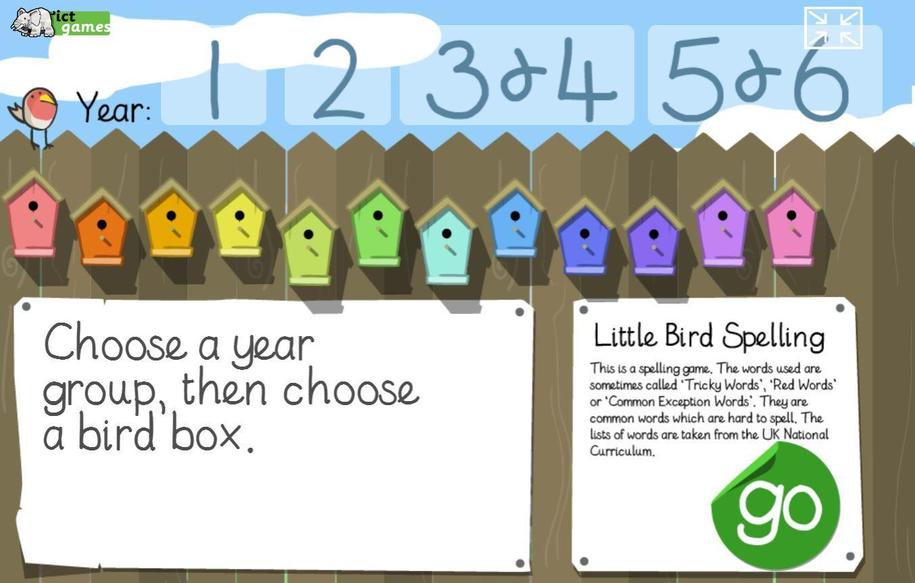
This is the list of words your child should be able to read and spell by the end of Year 2. Below is a game to help them spell them - pick either Year 1 or Year 2. Also there is a printable list of the words you can practise with your child.
3) Letter formation
A lot of children in Year 2 have some strange ways of forming their letters. We have been doing a lot of work on getting the correct formation. Below are some printable resources you can use. Twinkl also have a guide to using the resources here on YouTube.
- Letter formation - printable poster.pdfPDF File
- Letter formation booklet - you can print an individual page to focus on a specific letter.pdfPDF File
- Letter formation booklet - practise for all of the letters in a smaller size.pdfPDF File
- Ascenders and desenders - these types of letters are often formed incorrectly.pdfPDF File
4) Writing sentences
Use these prompts to write sentences. Encourage your child to write either one or two grammatically correct sentences, including a capital letter and a full stop. They should read each sentence back to make sure it makes sense. It is better to focus on writing a little and often.
5) Number formation
Getting numbers around the correct way is really important. If your child is still reversing numbers such as 5, you can use the sheets below to practise numbers. You can also use this YouTube video from former Greswold teacher Mrs Johnson for ways to help get the numbers around the correct way.
6) Counting
Counting back and forwards in 1s, 2s, 5s and 10s is a useful skill. Your child can use the 100 square below to practise their counting.
7) Number facts
We have previously set these number facts as homework. Knowing them off by heart is very useful, so you could continue to practise these with your child.